On this page
The pre-listing repairs worth doing are the ones an inspector will flag and a buyer will negotiate on: active leaks and water stains, safety items like missing GFCI protection or dead smoke alarms, and systems or fixtures that do not work. Do those, keep the receipts, and disclose what you fixed. Skip the remodel, the roof that still works, and the finishes chosen for a buyer you have not met. The goal is a house with no surprises on the inspection report, not a different house.
The reasoning is simple: a buyer's inspector finds what is broken, and the buyer then asks for it at a negotiated price, which is higher than what you would have paid a contractor on your own timeline. Repairs you do before listing are on your terms; repairs you do after inspection are on theirs.
Which repairs are worth doing before you list?
Repairs are worth doing before listing when they are cheap relative to what a buyer would ask for them, when they involve water or safety, or when they make a system work that currently does not. Those three categories cover nearly every finding a buyer uses to renegotiate, and each one costs less to fix in advance than to concede under a deadline.
| Do it | Why |
|---|---|
| Active leaks: faucets, toilet supply lines, a drip under the sink, a roof or flashing leak | Water findings frighten buyers more than any other item and lead to the biggest asks |
| Water stains, even from a fixed leak, once the cause is documented | An unexplained stain reads as an unfixed leak |
| Smoke and CO alarms that are missing, expired, or dead | Safety items appear at the top of every report and are cheap to clear |
| GFCI outlets that fail their test, open junction boxes, missing cover plates | Same: high visibility, low cost |
| Anything that does not work: a burner, a disposal, a doorbell, a window that will not open, a door that will not latch | A working house is the baseline a buyer is paying for |
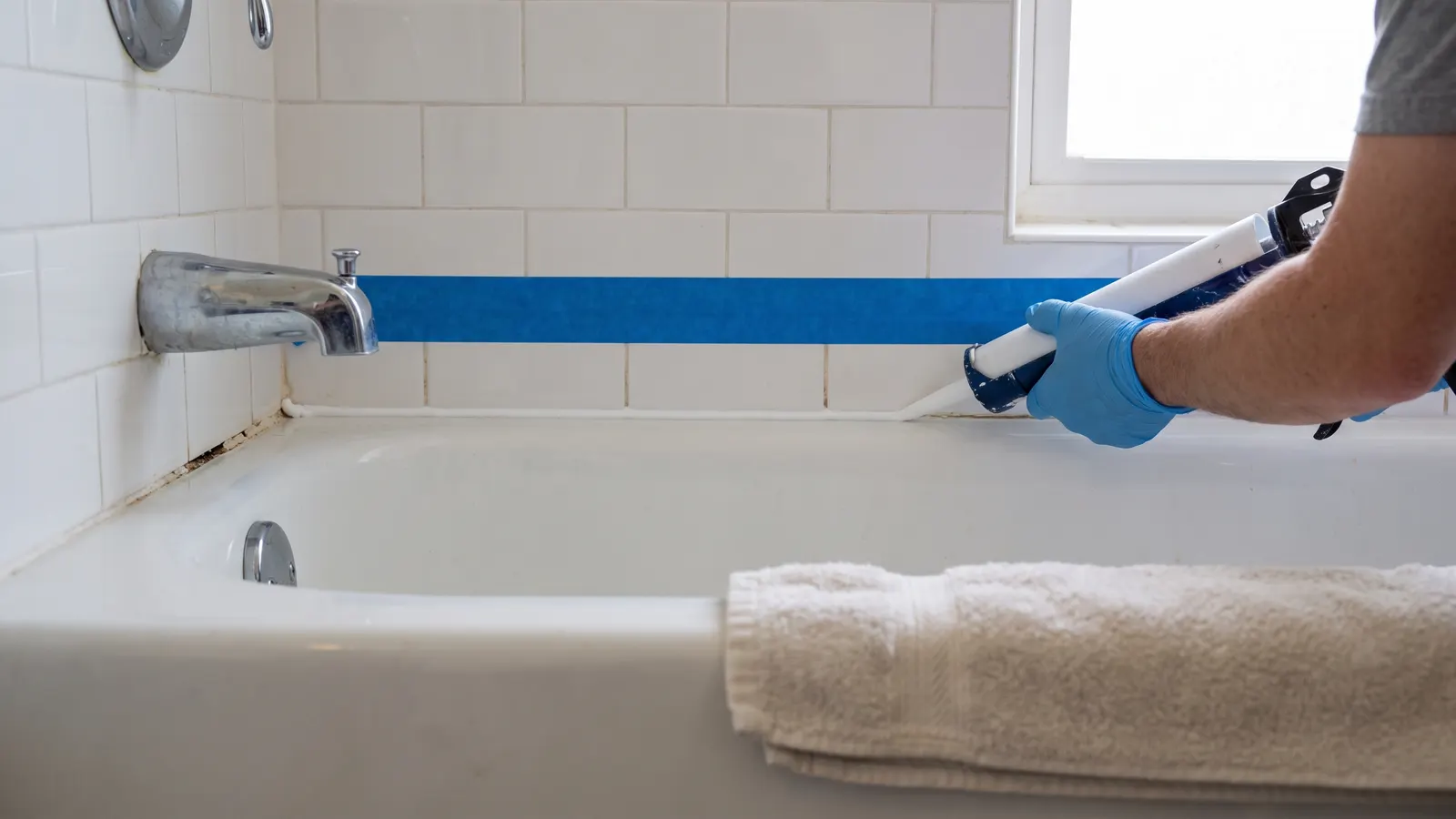
| Rotten trim, peeling exterior paint on wood, failed caulk at windows and tubs | These signal deferred maintenance and let water in |
| Gutters, downspout extensions, and grading that sends water toward the foundation | Cheap, and the first thing an inspector photographs |
| Overdue service on the furnace, air conditioner, or water heater | A recent service record answers the buyer's first question |
Most of that list is a weekend and a handyperson. The gutter cleaning, the grading check, the GFCI test, and the detector test are each their own guide, and each produces a dated entry for the record.
Which repairs should you skip?
Skip the repairs that replace something that still works, that a buyer would choose differently, or that cost more than the sale will return: a kitchen or bath remodel, a roof or furnace replacement while the current one runs, new flooring over sound floors, and any finish upgrade chosen for a hypothetical buyer. Price the house to reflect their age, disclose their condition, and let the buyer decide.
In practice, sellers who remodel the kitchen before listing tend to spend a season and a large sum for a kitchen the buyer describes as "fine, but not what I would have chosen." Sellers who fix the leaks, clear the safety list, and clean the house tend to get through inspection with a short repair request. The second group also keeps the remodel money.
The exception is a system at the end of its life that will fail inspection outright, such as a furnace with a cracked heat exchanger or a roof with active leaks in several places. For those, the repair-or-replace rules still apply, and a credit may be the better path than doing the work yourself.
Should you get a pre-listing inspection?
A pre-listing inspection is worth it when you do not know the house's history, when the house is older, or when you want to avoid a renegotiation after the buyer's inspection; it gives you the buyer's list before the buyer has it. The trade-off is that what it finds becomes something you know, and in most states what you know and do not fix must go on the disclosure. That is fine if you plan to act on the list; it is the reason to have one.
Read the report the way a buyer will, sorting for safety, water, and structure first, fix what is in those categories, and disclose the rest. A house with a clean pre-listing report and a folder of receipts is easy for a buyer's agent to recommend, and hard for a buyer's inspector to surprise.
How do repairs connect to disclosure and negotiation?
Repairs and disclosure connect because a fixed problem is usually still a past problem: a roof leak you repaired last spring is typically disclosed as a repaired leak, with the receipt attached. That is not a mark against the house. A buyer reading "leak at the chimney flashing, repaired by a roofer, receipt attached" sees a maintained house; a buyer finding the stain with no explanation sees a hidden one. The repair and the disclosure work together.
The repairs you skip set up the negotiation. If you price the house with the old roof in mind and say so, a buyer's request for a roof credit after inspection is already answered. If you do not, it becomes a repair negotiation you are having for the first time under a contract deadline. What the disclosure form usually asks is worth reading before you decide what to fix, because it tells you what you will be writing down either way.
What should you record and hand over?
Record every repair with a date, who did it, what was done, and the receipt, and photograph the before and the after for anything involving water. That packet does three jobs: it answers the disclosure form, it answers the buyer's inspector, and it gives the appraiser documented work to note. The appraisal does not reward a repaint, but it does note a new roof or a replaced system with paper behind it.
The pre-listing packet
- Receipts for every repair done before listing, with the contractor's name and license where one applies
- Permits and final inspections for any work that needed them
- Service records for the furnace, air conditioner, and water heater
- Before and after photos of any water-related repair
- The pre-listing inspection report, if you had one, with the items fixed marked
- Manuals and warranty documents for equipment that transfers with the house
Property Station holds this as the record for the house: repairs go in the Maintenance Log with a cost and a "Completed By", the receipts go to the Document Vault as type Receipt or Permit, and the Home Snapshot prints a one-page version for the listing folder. Selling with a complete record explains how buyers use that packet.
Common questions
Should I get my own inspection before listing?
If the house is older, if you have not owned it long, or if you do not know its repair history, yes. It shows you what the buyer's inspector will find, while you still have time to fix it at a normal price instead of a negotiated one. What you learn and do not fix generally has to be disclosed, so go in ready to act on the list.
Do I have to fix everything the pre-listing inspection finds?
No. Fix safety items, active leaks, and anything that does not work; disclose the rest and price the house with it in mind. A buyer expects some findings on any house. What they do not expect is a defect you knew about and did not mention.
Is it better to fix a problem or offer a credit?
For small, clear repairs with a receipt, fixing usually reads better than a credit because the buyer sees a working house, not a to-do list. For large or taste-driven items (a roof near the end of its life, an old kitchen), a credit or a price that reflects it lets the buyer choose, and avoids you paying for work they would redo.
Will new paint and landscaping raise the price?
Clean, neutral paint where the walls are marked and a tidy yard help the house show and photograph; they are inexpensive and worth doing. A full repaint of a house that looks fine, or new plantings, is money you are unlikely to see again. Spend on showing, not on transforming.
What should you do next?
Walk the house with the table above and a notepad, and run the tap, the toilet, every switch, and every window. Fix the water and safety items this month, book the overdue service, and start the packet with the first receipt. If the sale is more than a few months away, a pre-listing inspection now gives you the whole list while there is still time to work it at your own pace.