On this page
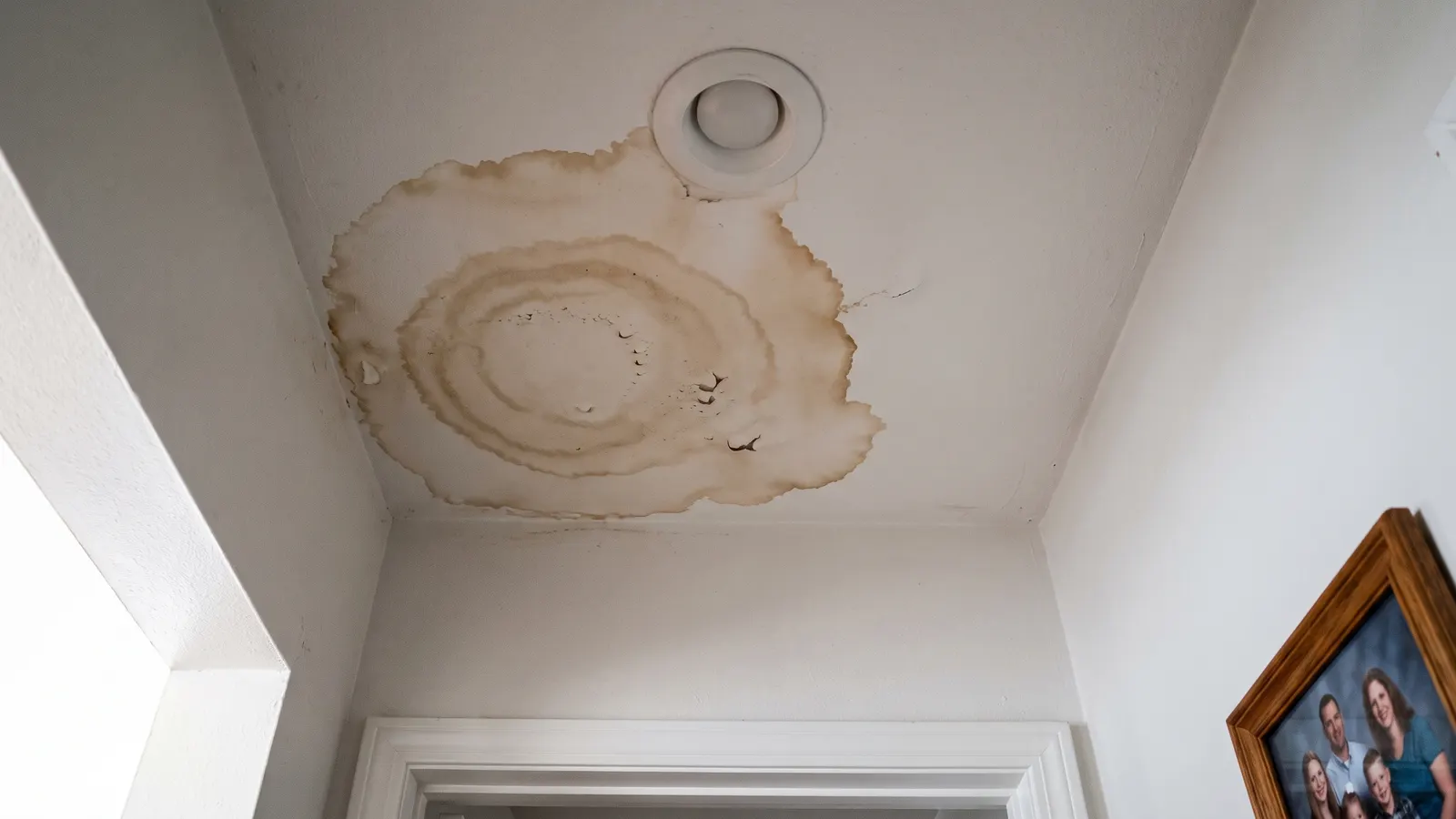
The signs of a hidden water leak are a water bill that rose with no change in habits, a meter that moves when no water is running, a stain or soft spot on a ceiling, wall, or floor, a musty smell in a closet or cabinet, the sound of running water when every tap is off, a warm patch on a concrete floor, or a wet spot in the yard that never dries. Any one is worth a two-hour meter test; two together are a leak until proven otherwise.
What are the signs of a hidden water leak?
A hidden leak shows up in the bill, the meter, the surfaces, the smell, and the sound before it shows up as a puddle, and each sign points to a different kind of leak. A high bill with no visible water usually means a toilet or an irrigation line; a stain points at the pipe or drain above it; a warm floor points at a hot water line in the slab.
| Sign | What it usually means | First check |
|---|---|---|
| Water bill up, habits unchanged | Running toilet, irrigation leak, or a supply leak underground | Meter test, then toilets |
| Meter moves with everything off | Leak somewhere on your side of the meter | Isolate irrigation, then the house |
| Stain on a ceiling or wall | Supply, drain, or roof leak above it | Look directly above; bathrooms first |
| Musty smell in a cabinet or closet | A slow supply or trap leak inside it | Feel the cabinet floor and fittings |
| Warm spot on a concrete floor | Hot water line leaking under the slab | Meter test with the water heater's cold inlet closed |
| Green, soggy patch in the yard | Irrigation line or the main service line | Irrigation off, then the meter test again |
Most of these leaks start at the short list of fittings and drains in where water damage starts, which turns a search of the whole house into a check of eight spots.
How do you confirm a leak with the water meter?
The water meter confirms a leak in two hours with no tools. The EPA's WaterSense program describes the test: check the meter before and after a two-hour period when no water is being used, and if it changes at all, you probably have a leak. Many meters also have a small triangle that spins with any flow.
- Find the meterUsually in a box at the street or sidewalk, sometimes in the basement or garage. The full walk-through is in the guide to checking the meter for hidden leaks.
- Shut everything offEvery tap, the ice maker, the irrigation controller, the humidifier, the softener. Tell the household not to flush.
- Read and photograph itEvery digit, including the sweep hand, and the time. A photo with the timestamp is the cleanest record.
- Wait two hoursNo water use at all.
- Read it againAny change is flow on your side of the meter. If the low-flow indicator is spinning, you do not need the full two hours.
- IsolateClose the irrigation shutoff and repeat, then the valve to the house and repeat. Whichever step stops the meter locates the leak to that branch.
How do you find which fixture is leaking?
Once the meter says the house side is leaking, work from the most likely fixture to the least: toilets, then the water heater and its fittings, then supply lines at sinks and appliances, then the irrigation, and last the lines you cannot see. Most hunts end at the first stop. If the meter was still, the leak is a drain, a roof, a window, or condensation, and the table above points at which.
Toilets first, because a flapper leak is silent. The WaterSense test is a few drops of food coloring in the tank and a ten-minute wait without flushing; color in the bowl means the flapper is leaking. Stopping a running toilet is a flapper or fill valve swap that takes half an hour. Then the water heater base and fittings, then every supply line and trap in the cabinets, by hand.
Irrigation is the leak most owners never think of, because it is underground. Walk the zones while each runs, look for geysers, misting heads, and soggy patches, and check the backflow preventer for drips. In freeze climates, winterizing the irrigation in fall prevents the cracked lines that show up as spring leaks.
What does a hidden leak cost in water?
A hidden leak costs more water than most people would guess, which is why the bill is often the first sign. The numbers below are from the EPA's WaterSense Fix a Leak Week page and its statistics page; your bill depends on local rates.
WaterSense also gives a benchmark for reading your own bill: look at usage in a colder month such as January or February, when nobody is watering, and if a family of four exceeds 12,000 gallons per month, there could be serious leaks. Fixing the easy ones, the same page says, can save about 10 percent on water bills.
In Property Station the meter test and the toilet check are recurring tasks on the Maintenance page, and the water bills go in Documents. The scheduler reminds you a week before each check is due.
When should you call a plumber or a leak-detection service?
Call a plumber when the meter confirms a leak and the fixture checks come up dry, when a leak is on a hot line under a slab, when the service line between the meter and the house is suspected, or when any leak is near the electrical panel or wiring. A licensed plumber with acoustic listening and pressure-testing equipment can locate a slab or wall leak within a few feet; opening walls or concrete on a guess is the expensive way.
If the leak has already made a mess, the hour-by-hour plan for a leak or flood covers drying, documentation, and the insurance call. A leak that arrives with banging pipes or blown fittings is worth testing the home's water pressure; high pressure shortens the life of every fitting.
Common questions
How do I know if I have a hidden water leak?
Read the water meter, use no water for two hours, and read it again. The EPA says that if the meter changes at all, you probably have a leak. Back that up with a bill that climbed without a reason, a stain, a musty odor, or the sound of water when every tap is off.
Can a toilet leak without making noise?
Yes, and it is the most common hidden leak in a house. A worn flapper lets water seep from the tank to the bowl without the refill valve running long enough to hear. Put a few drops of food coloring in the tank and wait ten minutes without flushing; color in the bowl means the flapper is leaking.
What does a slab leak feel like?
A warm spot on a concrete floor, flooring that lifts or feels damp, the sound of running water under the house, or a meter that moves with every fixture and the irrigation shut off. A slab leak is a job for a plumber with listening and pressure-testing equipment, not a jackhammer on a guess.
What should you do next?
Run the two-hour meter test this weekend and drop food coloring in every toilet tank while you wait. Write both results on the house's record with the date, even when they are clean. Then put the meter test on a quarterly schedule next to the monthly cabinet and toilet checks.